Massage Etiquette Guide: Tips for the Most Relaxing Massage
Although massages are supposed to be relaxing, many people are unsure of the proper etiquette. Should you shave your legs? Should you chat with the massage therapist? Just how naked are you supposed to be?
Massage Etiquette: What Most First-Time Clients Don’t Realize
Search data shows that people preparing for a massage are often less concerned about technique and more concerned about “doing something wrong.” Understanding professional expectations before you arrive removes that stress entirely. Massage etiquette is not about rigid rules. It is about mutual respect, communication, and preparation.
Intake Forms and Medical Disclosure
Before your session, you will usually complete a short health intake form. This is not just paperwork. Therapists rely on it to determine safe pressure levels and avoid contraindications.
- Recent surgeries or injuries must be disclosed.
- Pregnancy, blood clot history, or nerve conditions should always be mentioned.
- Medications that affect circulation may change treatment approach.
This step improves safety and ensures your session is therapeutic rather than uncomfortable.
What Not to Do Before a Massage
Many etiquette guides focus on what you should do. Just as important is what to avoid.
- Avoid heavy meals within an hour of your appointment.
- Avoid alcohol before treatment.
- Avoid intense workouts immediately beforehand if you want relaxation rather than recovery work.
- Avoid arriving rushed — stress carries directly into muscle tension.
Phone and Device Etiquette
Silencing your phone is considered standard courtesy in professional massage environments. Vibrations and notifications interrupt both your experience and the therapist’s focus.
- Turn off smartwatches and notifications.
- Do not take calls during the session.
- Use the time intentionally as uninterrupted recovery.
Late Arrivals and Cancellation Etiquette
Most spas operate on tightly scheduled appointments. Arriving late may reduce your session length without reducing cost. Cancellation policies typically require 24 hours’ notice.
- Arrive 10–15 minutes early for first appointments.
- Review cancellation terms before booking.
- Respect the therapist’s schedule as you would any healthcare provider.
Aftercare: What’s Expected Once the Massage Ends
Massage does not end when you leave the table. Therapists often recommend hydration and light movement afterward. Intense exercise immediately after deep tissue sessions may not be ideal.
- Drink water to support circulation.
- Expect mild soreness after deep pressure work.
- Follow any personalized guidance your therapist provides.
Spa Environment vs Clinical Setting
Etiquette expectations are similar in spa and medical massage environments, but tone may differ. Spa settings emphasize relaxation and ambiance. Clinical or sports massage settings may involve more assessment and conversation about biomechanics.
If you are planning a shared spa experience rather than a clinical session, understanding the environment helps you prepare. For example, couples sessions follow the same professional standards while allowing shared relaxation time. This overview of romantic couples massage planning explains how shared etiquette works in practice.
When you understand these unspoken norms, the experience becomes what it is meant to be: structured, professional, and fully focused on your physical and mental reset.
Licensed Massage Therapist Answers
To deliver some peace of mind, we talked to Shannon Merten, a licensed massage therapist who works out of her home, about the dos and don'ts of massage etiquette.
LOOKING FOR A THOUGHTFUL GIFT? CHECK OUT OUR FAVORITE GIFTS FOR WOMEN
How much do you tip a massage therapist?
There are no definite rules on how much money you should tip your massage therapist. Some spas have no tipping policies, so it's always helpful to ask ahead of time. But given that you were happy with the service, 15–20% of the total amount is an appropriate tip for a massage.
How clean should I be?
Showering that day is preferable
Shannon explains that this is not just because it's more comfortable for the therapist. When your skin is clean, it will better absorb the lotions and oils used during your massage.
Should I shave my legs beforehand?
Not shaving is fine
"This is an often brought-up topic," Shannon said. "Not shaving for a few days or even weeks is no reason for hand-wringing. ... I can't even tell the difference."
What kind of information should I share with my massage therapist before my massage begins?
Share what's applicable
In order to get the most out of your massage, Shannon recommends being as specific as possible with your health history. Definitely tell your therapist about any major ailments or issues you are having at that time. Information about your daily activities can also be helpful—for example, are you an avid runner? Do you often travel for work? The more your therapist knows, the better she'll be able to customize your experience.
Should I get totally naked?
Undress to your comfort level
This is an area where Shannon lets the customer take the lead. "I inform my clients that they can undress to their comfort level, and that they will be draped for the entirety of the massage."
If you're having lower-back issues, though, consider the benefits of being in the buff: "I recommend removing underwear because a glute massage is essential for these types of ailments. And if you've never had your glutes and hips worked on, I highly recommend it. There are so many thick muscles in these areas, muscles that hardly ever get attention, and they all criss-cross and cause serious lower-back and hamstring issues."

During my massage, should I be quiet or make small talk?
Whatever makes you most comfortable!
"If they're asking questions or bring[ing] up a topic, I will answer or join in. If they're quiet, I remain quiet. I think some people get nervous, so they may be a bit chatty." According to Shannon, most clients make small talk for the first 20–30 minutes, then zone out for the remainder of the massage.
How do I (politely) let a massage therapist know that what they're doing doesn't feel good?
Communication is key
"I would rather my clients leave happy and satisfied than not, so if [the therapist] is doing something that is not enjoyable, a good 'that's a little too much pressure' or 'that area is too sensitive to be worked on' should get you satisfying results," Shannon said.
What do I do if something happens
Seek assistance
While using your deal voucher, if you experience any unwanted behavior that makes you feel uncomfortable or unsafe, contact the local authorities for immediate assistance and notify us of the situation as soon as possible.
If you'd like to talk with a trained professional about your experience, the number for the National Sexual Assault Hotline is 1-800-656-4673.
RELATED READS:
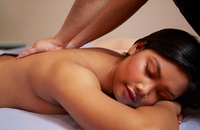 The Benefits of Massage: An Expert Explains It All
Why get one? Let a licensed massage therapist give you the reasons.
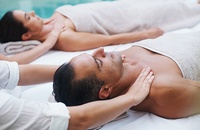 What Is a Couples Massage & What to Expect
A licensed massage therapist shares her tips on how you and your significant other can make the most of your experience.
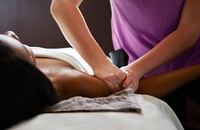 The 11 Types of Massage: A Complete Guide
Looking for something a little more comprehensive? Get the low-down on 11 kinds of massage.
Deals in sacramento

Deals in sacramento Other Deals in sacramento